Guide to Choosing Heavy Equipment for Construction

Choosing the right heavy equipment for construction projects can significantly impact productivity, safety, and overall project success. With a myriad of options available, it can be overwhelming to determine which machines are best suited for your specific needs. This guide will help you navigate the complexities of selecting heavy equipment, ensuring you make informed decisions that align with your project requirements.

Understanding Your Project Requirements
Before diving into the selection process, it’s crucial to understand the specific requirements of your project. Consider the following factors:
Project Scope and Size
Type of Work: Are you working on excavation, grading, or lifting? Different tasks require different equipment.
Project Size: Larger projects may require more robust machinery, while smaller jobs might only need compact equipment.
Site Conditions
Terrain: Is the site flat, hilly, or rocky? The terrain will influence the type of equipment you need.
Access: Consider how accessible the site is for transporting heavy machinery. Narrow roads or tight spaces may limit your options.
Budget Constraints
Purchase vs. Rental: Determine whether it’s more cost-effective to buy or rent equipment based on the project duration and budget.
Operating Costs: Factor in fuel consumption, maintenance, and repair costs when evaluating equipment options.
Types of Heavy Equipment
Heavy equipment comes in various forms, each designed for specific tasks. Here are some common types:
Excavators
Excavators are versatile machines used for digging, lifting, and moving materials. They come in various sizes, from compact models for small jobs to larger models for heavy-duty tasks.
Key Features: Hydraulic arms, rotating cab, and various attachments (buckets, grapples).
Best For: Excavation, demolition, and site preparation.
Bulldozers
Bulldozers are powerful machines equipped with a large blade for pushing materials. They are ideal for grading and clearing land.
Key Features: Track-based for stability, strong pushing power, and various blade options.
Best For: Grading, land clearing, and moving heavy materials.
Loaders
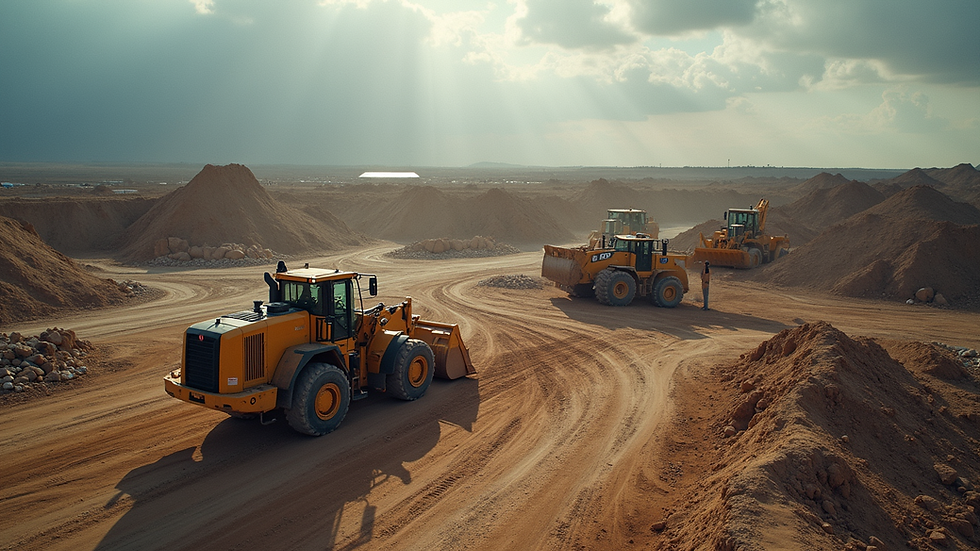
Loaders are used for loading materials onto trucks, moving them around the site, or stacking them. They come in various types, including wheel and track loaders.
Key Features: Front-mounted bucket, high lifting capacity, and maneuverability.
Best For: Material handling, loading, and transporting.
Cranes
Cranes are essential for lifting and moving heavy objects vertically and horizontally. They come in various types, including tower cranes, mobile cranes, and crawler cranes.
Key Features: Long reach, high lifting capacity, and various configurations.
Best For: Lifting heavy materials to significant heights.
Compactors
Compactors are used to compress soil, gravel, or asphalt to create a stable base for construction. They come in various forms, including plate compactors and roller compactors.
Key Features: Vibrating plates or drums, adjustable weights, and various sizes.
Best For: Soil compaction, asphalt paving, and road construction.
Evaluating Equipment Specifications
When selecting heavy equipment, it’s essential to evaluate the specifications to ensure they meet your project needs. Consider the following:
Performance Metrics
Horsepower: Higher horsepower typically means better performance, especially for larger tasks.
Operating Weight: Heavier machines can handle more significant loads but may be less maneuverable.
Fuel Efficiency
Fuel costs can add up quickly, so consider the fuel efficiency of the equipment. Look for machines that offer better fuel consumption rates without sacrificing performance.
Maintenance Requirements
Regular maintenance is crucial for keeping equipment in good working condition. Check the manufacturer’s recommendations for maintenance schedules and the availability of parts.
Safety Considerations
Safety should always be a top priority when operating heavy equipment. Here are some key safety features to look for:
Operator Protection
Rollover Protective Structures (ROPS): Ensure the equipment is equipped with ROPS to protect operators in case of a rollover.
Falling Object Protective Structures (FOPS): These structures help protect operators from falling debris.
Visibility and Controls
Clear Sightlines: Equipment should have good visibility to minimize blind spots.
Ergonomic Controls: Controls should be easy to reach and operate, reducing the risk of operator fatigue.
Training and Certification
Ensure that operators are properly trained and certified to operate the equipment. This not only enhances safety but also improves efficiency on the job site.
Rental vs. Purchase: Making the Right Choice
Deciding whether to rent or purchase heavy equipment can significantly impact your project budget and logistics. Here are some considerations for each option:
Renting Equipment
Pros:
- Lower upfront costs.
- Access to the latest models and technology.
- Flexibility to choose equipment based on project needs.
Cons:
- Ongoing rental costs can add up over time.
- Limited availability during peak seasons.
Purchasing Equipment
Pros:
- Long-term investment that can save money on rentals.
- Equipment is always available for use.
- Potential for resale value.
Cons:
- High initial costs.
- Ongoing maintenance and repair responsibilities.
Making the Final Decision
After evaluating your project requirements, equipment types, specifications, safety features, and rental versus purchase options, it’s time to make a decision. Here are some final tips:
Consult with Experts: Don’t hesitate to seek advice from equipment dealers or industry professionals who can provide insights based on their experience.
Test Before You Buy: If possible, test the equipment on-site to ensure it meets your expectations in terms of performance and ease of use.
Consider Future Projects: Think about upcoming projects and whether the equipment will be useful in the long term.
Conclusion
Choosing the right heavy equipment for construction is a critical step that can influence the success of your project. By understanding your project requirements, evaluating different types of equipment, and considering safety and budget factors, you can make informed decisions that lead to efficient and successful construction outcomes. Remember, investing time in the selection process pays off in the long run, ensuring that you have the right tools to get the job done effectively.
As you embark on your next construction project, take the time to assess your needs and choose equipment that aligns with your goals. Whether you decide to rent or purchase, the right heavy equipment will enhance productivity and contribute to a safer work environment.

Comments